Stem cell therapy, supplements, vitamins, micronutrients, and anti-aging hacks - all the sexy stuff gets promoted ad nauseam.
But one of the keys to longevity is much simpler. It was not developed in a lab, and it cannot be injected or swallowed in a pill.
I am talking about leg strength, mi amor.
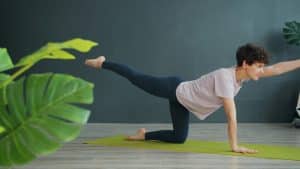
Leg strength - not muscle mass, but actual usable strength - is associated with a variety of positive outcomes in old age, including:
Longevity
Cognitive health (including memory)
Mobility
Balance
Independence
And when you stop and think about it, that makes sense. Leg strength helps people do the ordinary but essential things that keep life moving: getting up from chairs, walking with more ease, climbing stairs, catching themselves when they trip, and staying active and independent. Once that starts to go, people often move less, trust themselves less, and do less. And when activity goes down, many other things can begin to slide too.
There is a good deal of under-reported research and reviews on the topic. For now, I will just mention two sources:
“Leg strength and fat mass best predict physical function in older adults.” From PubMed.
“Researchers found that leg strength was a better predictor of brain health than any other lifestyle factor.” From WebMD.
And when you stop and think about it, this makes sense.
Leg strength matters because it helps people keep doing the basic things that make life work: getting up from chairs, walking, climbing stairs, recovering balance, and staying active.
That matters a great deal.
Because once people stop moving as much, other things often begin to slide too - confidence, balance, independence, cardiovascular health, and the willingness to stay engaged with life.
Now, before you rush off to do knee bends, squats, or go to the gym, it is worth remembering something:
Muscle strength is not simply a function of muscle size. It is also influenced by relaxation, length, timing, and how available the muscles are to do the work.
El Señor Feldenkrais said it quite well back in the 1970's:
"A muscle only works from the position of being long to becoming short. But, if it is completely short already, there is no more power, and something additional to it needs to contract. This just increases tension and that is all. It does not bring out any strength nor any power." - Moshe Feldenkrais
Does that make sense?
When unnecessary tension drops, muscles often have more room to contract and can contribute more effectively.
And that matters not only for walking better now, but for maintaining balance, independence, and confidence as you get older.
This is one of the reasons I care so much about slow, intelligent standing and walking work. Not because it is flashy. But because it helps people reduce unnecessary tension, move with more support, and build the kind of strength that actually carries over into daily life.
Peace!
Full disclosure: I don't only do somatics, oh no. I do bodyweight squats nearly every day (including Hindu squats), intermittent high-intensity workouts, and cycle and I walk with my dogs. All of these activities become easier for me because of doing somatic sessions. And they just might do the same for you. 🙂
